
Buying body armor for the first time can feel overwhelming, especially with so many protection levels, materials, and product types on the market in 2026. This complete beginner's guide breaks down everything new buyers in the USA need to know before purchasing body armor, so you can choose the right protection with confidence instead of guesswork.
Whether you are buying for personal protection, professional duty, or home defense, understanding the basics of body armor will help you avoid costly mistakes and select a system that actually matches your real-world needs.
What Is Body Armor and How Does It Work?
Body armor is protective equipment designed to stop or reduce the impact of ballistic threats to the torso. It works by absorbing and dispersing the energy of an incoming round across the armor material, preventing or limiting penetration to vital areas. Depending on the type, body armor can protect against handgun threats, rifle threats, or both.
For beginners, the most important thing to understand is that no single piece of body armor protects against everything. The right choice always depends on the specific threat you expect to face and how you plan to wear the armor.
Soft Body Armor vs Hard Body Armor
The first major decision for any beginner is choosing between soft armor and hard armor. Soft body armor is lighter, more flexible, and easier to conceal, making it ideal for handgun-threat protection and everyday wear. Hard body armor uses rigid plates to stop higher-energy rifle threats and is better suited to overt tactical setups.
If your main concern is concealable, comfortable daily protection, a soft armor option from the Body Armor collection is a strong starting point. A product like the PREIS Concealable Soft Body Armor Vest is built exactly for this kind of low-profile, real-world use.
Understanding Body Armor Protection Levels
Body armor is rated by protection level, which tells you what kind of threats it can stop. Older labels like Level IIIA, Level III, and Level IV are still widely used, while the newer NIJ 0101.07 standard uses HG (handgun) and RF (rifle) categories. As a beginner, the key is to match the protection level to your actual threat environment rather than simply choosing the highest rating.
For handgun-focused protection, a lighter plate like the ZIRH Level IIIA Hard Body Armor Plate – 1.21 lbs is a practical option. For rifle threats, stepping up to the ZIRH Level III Hard Body Armor Plate – 2.64 lbs or the ZIRH Level IV Hard Body Armor Plate – 6.4 lbs provides far stronger protection.
Do You Need a Plate Carrier?
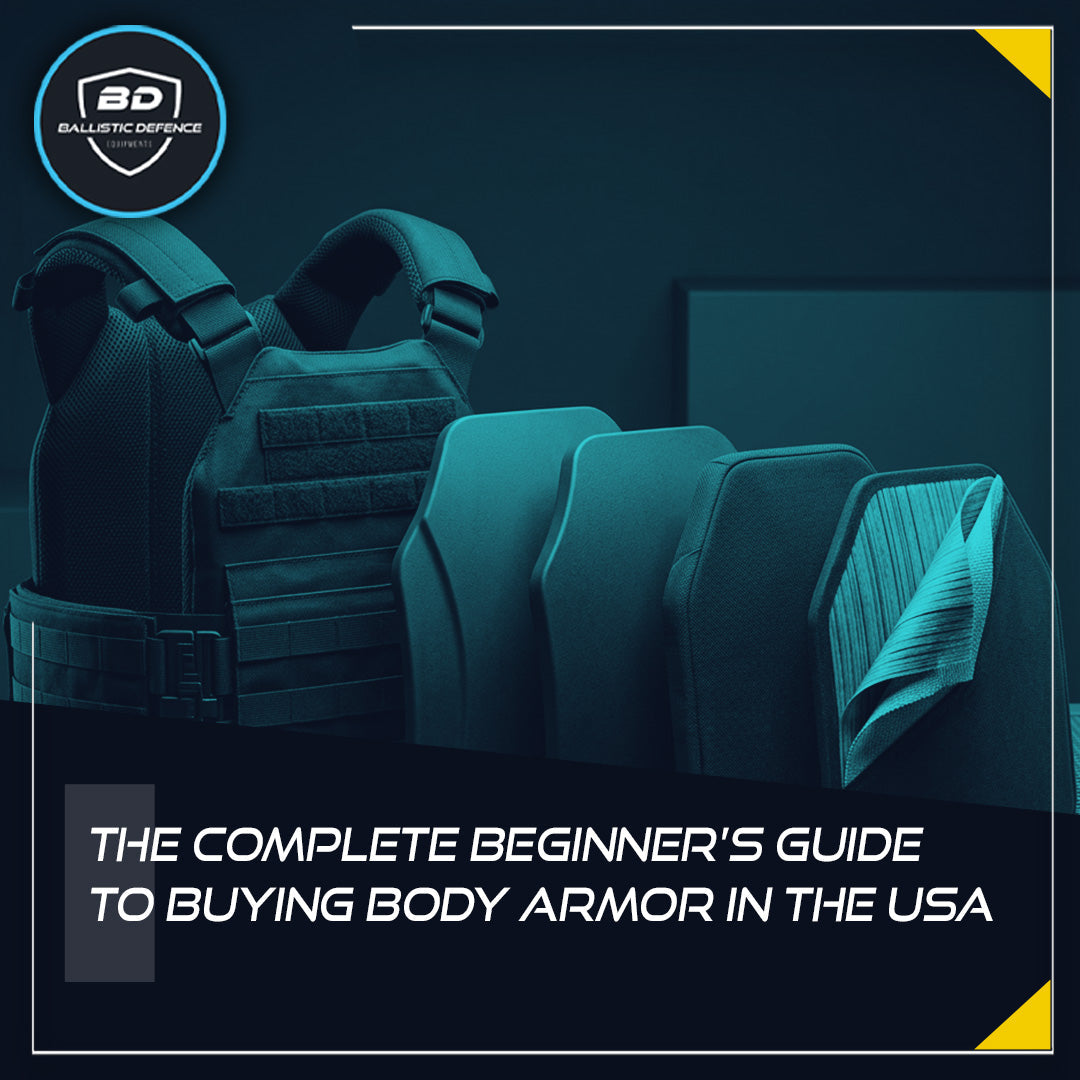
If you choose hard armor plates, you will also need a plate carrier to hold them in place. A plate carrier is the vest-like platform that keeps your plates positioned correctly and lets you add pouches and gear. For beginners building a rifle-rated setup, the carrier is just as important as the plates themselves.
A reliable option such as the ARARAT 2.1 Rapid Plate Carrier Vest turns standalone plates into a complete, field-ready protective system that supports movement and equipment access.
How to Choose the Right Fit
Body armor only protects the areas it covers, which makes proper fit critical. Plates that are too small leave vital areas exposed, while armor that is too large can restrict movement and reduce comfort. Beginners should always check sizing guidance and prioritize coverage of the chest and vital torso areas.
Comfort matters more than many new buyers expect. Armor that is uncomfortable is less likely to be worn consistently, and armor only saves lives when it is actually on your body when a threat appears.
Common Mistakes Beginners Should Avoid
New buyers often make a few predictable mistakes: choosing armor based only on price, assuming the highest protection level is always best, ignoring fit and comfort, or buying plates without a proper carrier. Avoiding these errors will save you money and ensure your armor performs when it matters.
The smartest approach is to define your threat environment first, then choose armor that realistically matches it while remaining comfortable enough to wear regularly.
Building Your First Body Armor Setup
For most beginners, a complete first setup means selecting the right protection level, choosing between soft or hard armor, and pairing hard plates with a suitable carrier. Starting with a clear understanding of your needs makes the entire process far simpler.
Whether you begin with a concealable vest like the PREIS Concealable Soft Body Armor Vest or build a rifle-rated configuration using the ZIRH Level IV Hard Body Armor Plate – 6.4 lbs and the ARARAT 2.1 Rapid Plate Carrier Vest, the principle stays the same: match your gear to your real needs.
Frequently Asked Questions About Buying Body Armor
Is it legal to buy body armor in the USA?
In most US states, it is legal for civilians to buy and own body armor, though some restrictions apply to certain individuals and jurisdictions. Always check your local and state laws before purchasing.
What body armor should a beginner buy first?
Beginners should start by identifying their main threat. For handgun protection and daily wear, soft armor is often best. For rifle threats, hard armor plates paired with a carrier are the better choice.
How much should I spend on my first body armor?
Price varies based on protection level and materials. Rather than focusing only on cost, beginners should prioritize the right protection level, proper fit, and reliable quality.
Do I need a plate carrier with body armor?
If you choose hard armor plates, yes. A plate carrier holds the plates in place and turns them into a wearable, functional system. Soft armor vests typically do not require a separate carrier.
How do I know which protection level I need?
Match the protection level to your expected threat. Handgun-rated armor suits handgun threats, while rifle-rated hard armor is required for rifle threats. The best choice is always based on your real-world environment.