
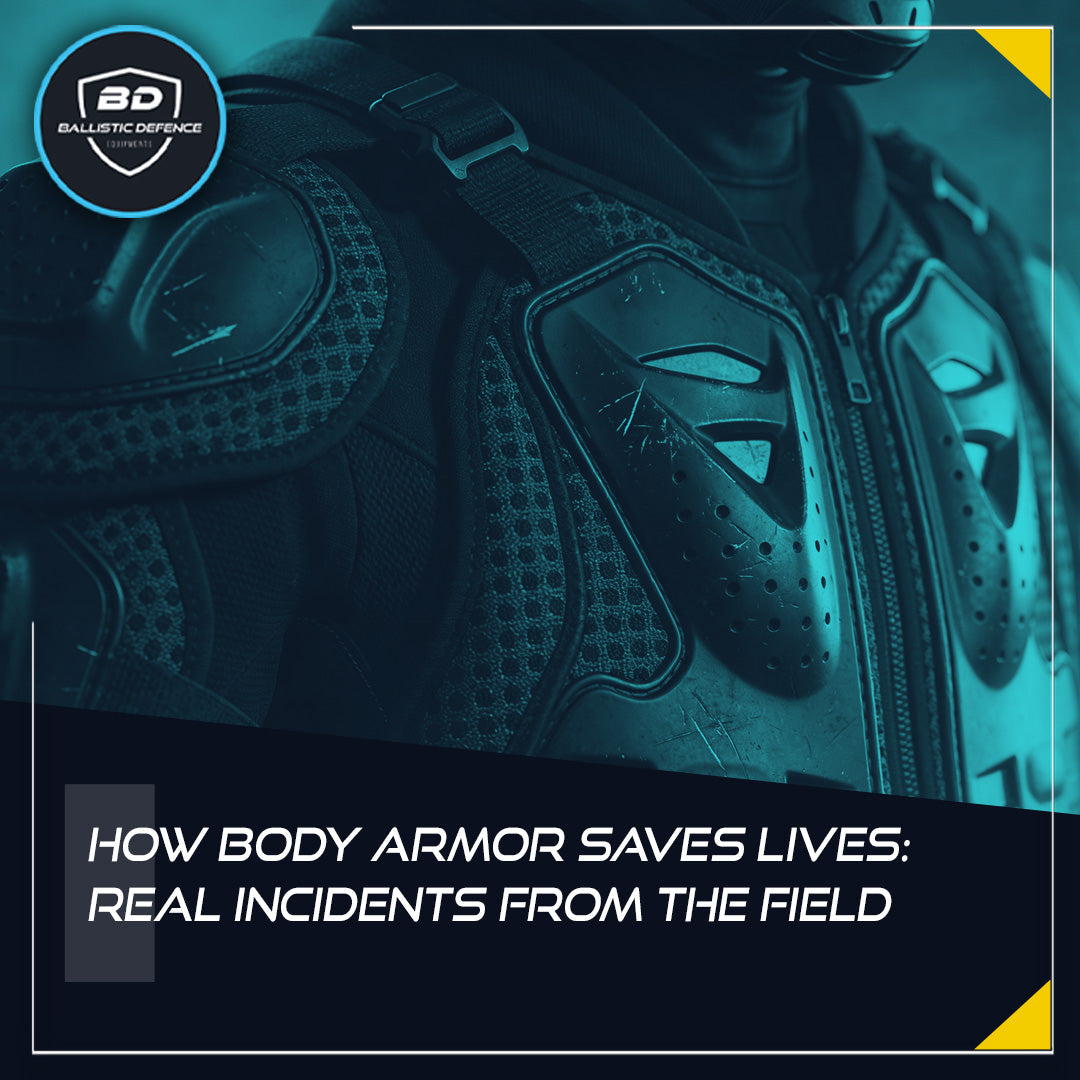
Body armor has saved lives in the field for decades, not as a theory, but in real incidents where officers and public safety personnel survived because the armor they were wearing stopped or reduced potentially fatal torso wounds. For buyers in the U.S. market, that matters because body armor is not just about compliance labels or product specs. It is about the difference between a survivable hit and a catastrophic outcome when seconds matter most.
Real-world field incidents continue to show the same lesson: the right body armor can buy time, preserve mobility after impact, protect vital areas, and give the wearer a chance to survive, respond, or be evacuated. That does not mean body armor makes a person invincible. It means properly selected armor can play a decisive role when real threats become immediate.
Why Body Armor Matters in Real-World Incidents
When people shop for body armor, they often focus on protection levels, materials, and weight. Those details matter, but the deeper reason body armor matters is simple: it protects the torso, where some of the most life-threatening injuries occur. In real field incidents, that protection has repeatedly changed outcomes by preventing fatal penetration or reducing the severity of injury long enough for emergency response and medical care to take over.
That is why body armor should be understood as life-saving equipment, not just tactical gear. The value of armor becomes most visible not in a product description, but in the moments when a wearer takes a hit and remains alive because critical areas were protected.
How Body Armor Saves Lives in the Field
Body armor saves lives by protecting the chest, back, and other vital torso areas from ballistic threats, fragmentation, and impact trauma depending on the armor type and threat level. In the field, that protection can prevent a lethal wound, reduce the force that reaches the body, and keep the wearer conscious or mobile enough to continue responding.
Even when the impact is severe, armor can still make the difference between fatal and survivable injury. That is one of the most important things buyers should understand. A vest or plate does not need to leave the wearer completely unaffected to be life-saving. If it stops penetration to vital areas and preserves survival, it has done exactly what it was designed to do.
Real Incidents Show That Body Armor Works
Real incidents from law enforcement history have shown again and again that body armor changes outcomes. Some of the earliest documented “saves” in the United States involved officers surviving gunfire to the torso because they were wearing ballistic-resistant armor. Over time, those cases helped establish body armor not as optional equipment, but as one of the most important life-preserving tools in the field.
That pattern continued through later decades as more agencies adopted body armor more consistently. Documented cases have shown officers surviving shootings, staying conscious after impact, and remaining alive long enough for medical treatment because their armor absorbed or stopped the threat where an unprotected torso likely would not have.
Body Armor and Survivability Under Fire
One of the most important ideas for buyers is that body armor improves survivability, not just protection on paper. In real-world incidents, survivability means more than stopping a round. It means the wearer may still be able to move, communicate, return to cover, protect others, or remain alive until trauma care arrives.
This is why body armor should be judged not only by marketing language, but by role and outcome. Armor that fits properly, matches the likely threat, and covers critical areas can directly influence whether a field incident ends in fatal injury or survival.
Soft Body Armor in Real-World Life-Saving Use
Soft body armor has played a major role in many documented field saves, especially in situations involving handgun threats. Its value comes from combining handgun-focused ballistic protection with wearability, concealment, and the kind of comfort that makes regular use more likely. Armor only helps when it is actually worn, and lower-profile systems often support that consistency.
For buyers interested in this type of protection, the Body Armor collection is the right starting point. A product such as the PREIS Concealable Soft Body Armor Vest is especially relevant for readers thinking about real-world daily protection, consistent wear, and the importance of having armor on when an unexpected incident occurs.
Hard Armor Plates and Higher-Threat Environments
Hard armor plates become more important when the threat environment includes rifle risks or when a higher level of ballistic protection is required. In these situations, body armor is less about concealment and more about stopping more severe threats that soft armor alone is not intended to address.
For buyers researching stronger rifle-rated protection, Ballistic Defence offers options such as the ZIRH Level III Hard Body Armor Plate – 2.64 lbs and the ZIRH Level IV Hard Body Armor Plate – 6.4 lbs. These products are directly relevant for users building a more protective field setup where higher-threat readiness matters more than low-profile wear.
Why Fit, Coverage, and Wear Discipline Matter
Real incidents also teach an important lesson beyond the armor level itself: fit and consistent wear matter. Body armor protects the areas it covers, which means poor fit, incorrect sizing, or failure to wear the system properly can reduce its life-saving value. The best armor in the world cannot protect the torso if it is not being worn when the threat appears.
That is one reason concealable and comfortable systems remain so important. In many real-world cases, body armor saved lives because it was on the wearer at the critical moment. The practical side of armor selection matters just as much as the technical side.
Body Armor as Part of a Complete Protective Setup
In many field situations, body armor works best as part of a complete system rather than as a standalone item. Plates, carriers, fit, mobility, and gear integration all affect how effectively the armor functions when stress, movement, and response time are part of the situation.
For readers building a more complete rifle-rated setup, the ARARAT 2.1 Rapid Plate Carrier Vest helps turn hard armor plates into a more practical protective platform. This is especially important for users who need not only ballistic protection, but also a field-ready configuration that supports movement and equipment access.
What Buyers Should Learn from Real Incidents
The most important lesson from real incidents is not that body armor guarantees safety. It is that body armor dramatically improves the odds when the right system is worn in the right situation. That lesson has been repeated across decades of documented field use, from earlier law enforcement saves to more recent incidents where torso protection clearly changed the result.
For buyers, that means choosing body armor should never be reduced to price alone. Threat level, wearability, comfort, realistic daily use, and whether the armor will actually be worn all matter. The armor that saves lives is the armor that matches the threat and is present when it counts.
Why Body Armor Remains One of the Most Important Protective Investments
Body armor remains one of the most important protective investments because its value is measured in outcomes, not impressions. When real incidents show that protected wearers survive torso hits that might otherwise have been fatal, the importance of quality armor becomes difficult to overstate.
Whether the need is concealable handgun-focused protection or a more robust plate-and-carrier setup, the principle stays the same: body armor saves lives by protecting vital areas when real threats become immediate. For some buyers, that may mean starting with the PREIS Concealable Soft Body Armor Vest. For others, it may mean building a more overt protective system using the ZIRH Level III Hard Body Armor Plate – 2.64 lbs, the ZIRH Level IV Hard Body Armor Plate – 6.4 lbs, and the ARARAT 2.1 Rapid Plate Carrier Vest.
Frequently Asked Questions About How Body Armor Saves Lives
Does body armor really save lives in real incidents?
Yes. Documented field incidents have shown that body armor has repeatedly helped wearers survive potentially fatal torso hits by stopping or reducing ballistic threats to critical areas.
How does body armor save lives?
Body armor saves lives by protecting vital torso areas, reducing penetration risk, and improving survivability during shootings or other high-threat incidents. It can also buy time for movement, response, and medical care.
Is soft body armor enough to save lives?
Soft body armor can absolutely save lives in handgun-threat situations when it is properly matched to the threat and worn correctly. The right protection level depends on the real-world risk the wearer may face.
Can hard armor plates offer more life-saving protection?
Yes. Hard armor plates are designed for more demanding ballistic threats, especially rifle-related threats, and are often the better choice when higher-level protection is required.
What matters most when choosing life-saving body armor?
The most important factors are threat level, fit, coverage, comfort, and whether the armor will actually be worn consistently. Protection on paper matters, but real-world wear matters just as much.