
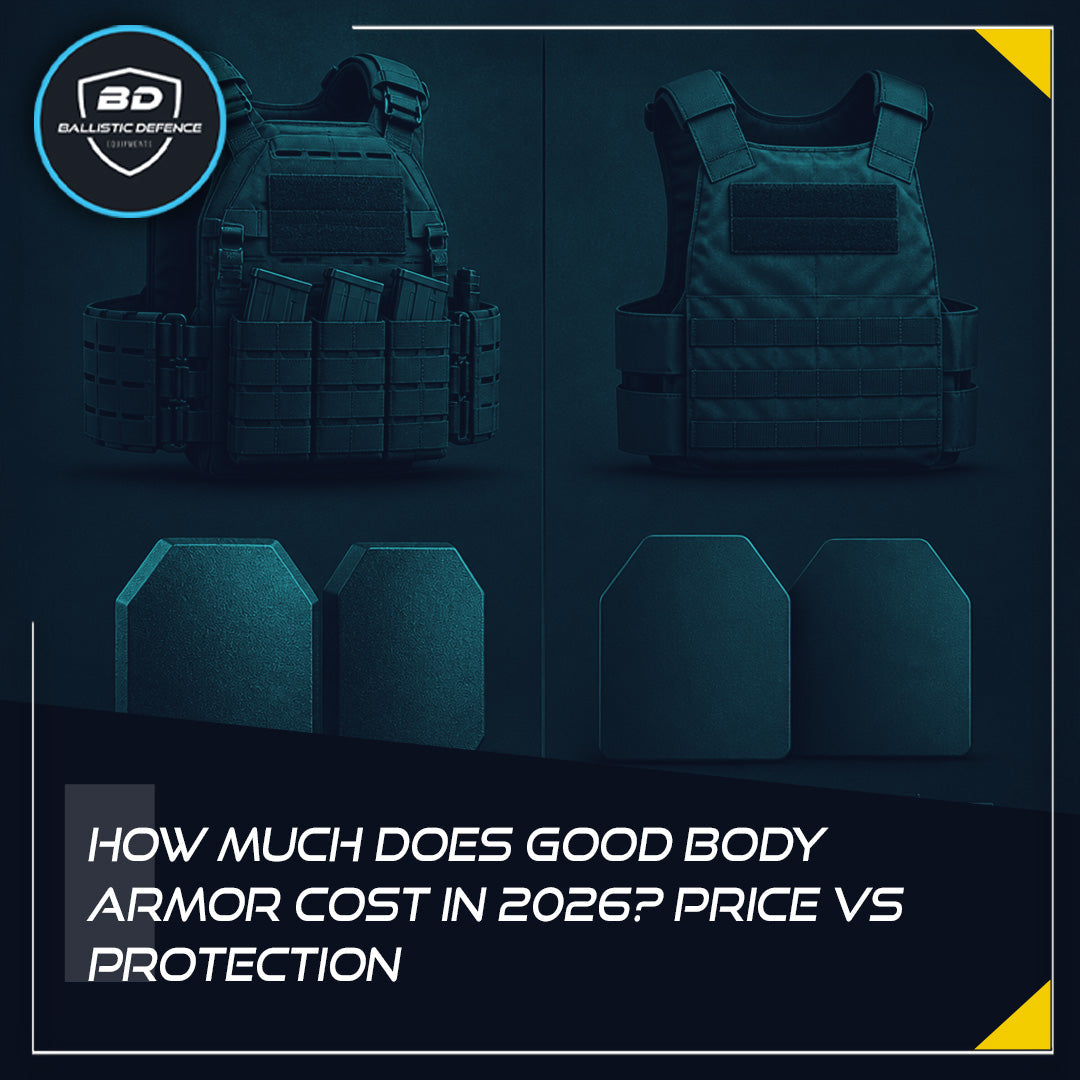
The cost of good body armor in 2026 varies widely depending on the protection level, materials, and features you need, but understanding the relationship between price and protection helps you make a smart investment. Body armor isn't an area to cut corners blindly, yet you also don't need to overspend on protection you'll never use.
This guide breaks down what drives body armor pricing, how price relates to protection, and how to get the best value for your specific needs in 2026.
What Determines Body Armor Cost?
Several factors drive the price of body armor: the protection level, the materials used, the weight, certifications, and additional features. Higher protection levels and advanced lightweight materials generally cost more, while basic configurations are more affordable. Understanding these factors helps you see where your money goes.
Price reflects what the armor can do and how it's built. A rifle-rated plate using advanced lightweight materials will cost more than a basic steel plate, but it also offers better performance and comfort.
Soft Armor vs Hard Plate Pricing
Soft armor and hard plates occupy different price ranges. Soft body armor, designed for handgun protection, is often more affordable and suits everyday concealed wear. Hard armor plates, built for rifle threats, generally cost more due to their advanced materials and higher protection levels.
For handgun protection, a concealable option like the PREIS Concealable Soft Body Armor Vest offers practical value, while rifle protection requires hard plates that command higher prices for their capabilities.
How Protection Level Affects Price
Generally, higher protection levels cost more. Handgun-rated soft armor is the most affordable tier, while rifle-rated hard plates increase in price as protection levels rise. The highest protection levels, designed to stop the most demanding threats, sit at the top of the price range.
For example, a Level IIIA plate like the ZIRH Level IIIA Hard Body Armor Plate – 1.21 lbs serves handgun protection, while stepping up to the ZIRH Level IV Hard Body Armor Plate – 6.4 lbs provides maximum rifle protection at a higher price point.
The Value of Lightweight Materials
One of the biggest price factors is weight. Advanced lightweight materials that deliver high protection at lower weight typically cost more than heavier alternatives offering the same protection level. You're paying for the comfort and mobility that lighter armor provides.
A plate like the ZIRH Level III Hard Body Armor Plate – 2.64 lbs demonstrates how rifle-rated protection can come in a relatively manageable weight, reflecting the value of modern materials.
Don't Forget the Carrier and Accessories
When budgeting for body armor, remember that hard plates require a carrier. A quality plate carrier like the ARARAT 2.1 Rapid Plate Carrier Vest is part of the total cost, turning plates into a complete, wearable system. Factor this into your overall budget.
Additional accessories like pouches and gear add to the total as well. Planning for the complete setup, not just the plates, gives you a realistic picture of what your protection will cost.
Balancing Price and Protection
The key to smart body armor spending is matching protection to your actual needs. There's no value in paying for the highest protection level if your threat environment doesn't require it, and no sense in underspending on protection you genuinely need. Honest assessment is the foundation of good value.
By identifying the threats you realistically face, you can choose armor that provides adequate protection without overspending, getting the best balance of price and protection for your situation.
Getting the Best Value
Getting good value means buying armor that genuinely fits your needs at a fair price. Compare options within the protection level you need, consider the total cost including a carrier, and prioritize the features that matter most for how you'll use the armor.
Browse options across price points in the Body Armor collection to compare protection levels and find armor that delivers the right balance of price and protection for you.
Investing in Body Armor in 2026
Good body armor is an investment in your safety, and its cost reflects the protection, materials, and features it provides. By understanding what drives pricing and matching your purchase to your real needs, you can invest wisely without overspending.
The best value isn't the cheapest option or the most expensive, it's the armor that provides the protection you actually need at a fair price, giving you reliable defense and genuine peace of mind in 2026.
Frequently Asked Questions About Body Armor Cost
What determines the cost of body armor?
Body armor cost is driven by the protection level, materials, weight, certifications, and features. Higher protection and advanced lightweight materials generally increase the price.
Is soft armor cheaper than hard plates?
Generally yes. Soft armor for handgun protection is often more affordable, while hard plates for rifle threats cost more due to advanced materials and higher protection levels.
Why do lightweight plates cost more?
Lightweight plates use advanced materials that deliver high protection at lower weight. You pay more for the comfort and mobility that lighter armor provides at the same protection level.
Do I need to budget for a carrier too?
Yes. Hard plates require a plate carrier to be wearable, so the carrier is part of the total cost. Factor it in along with any pouches or accessories you need.
How do I get the best value in body armor?
Match protection to your actual threat environment, compare options within the level you need, include the carrier in your budget, and prioritize the features that matter for your use.