
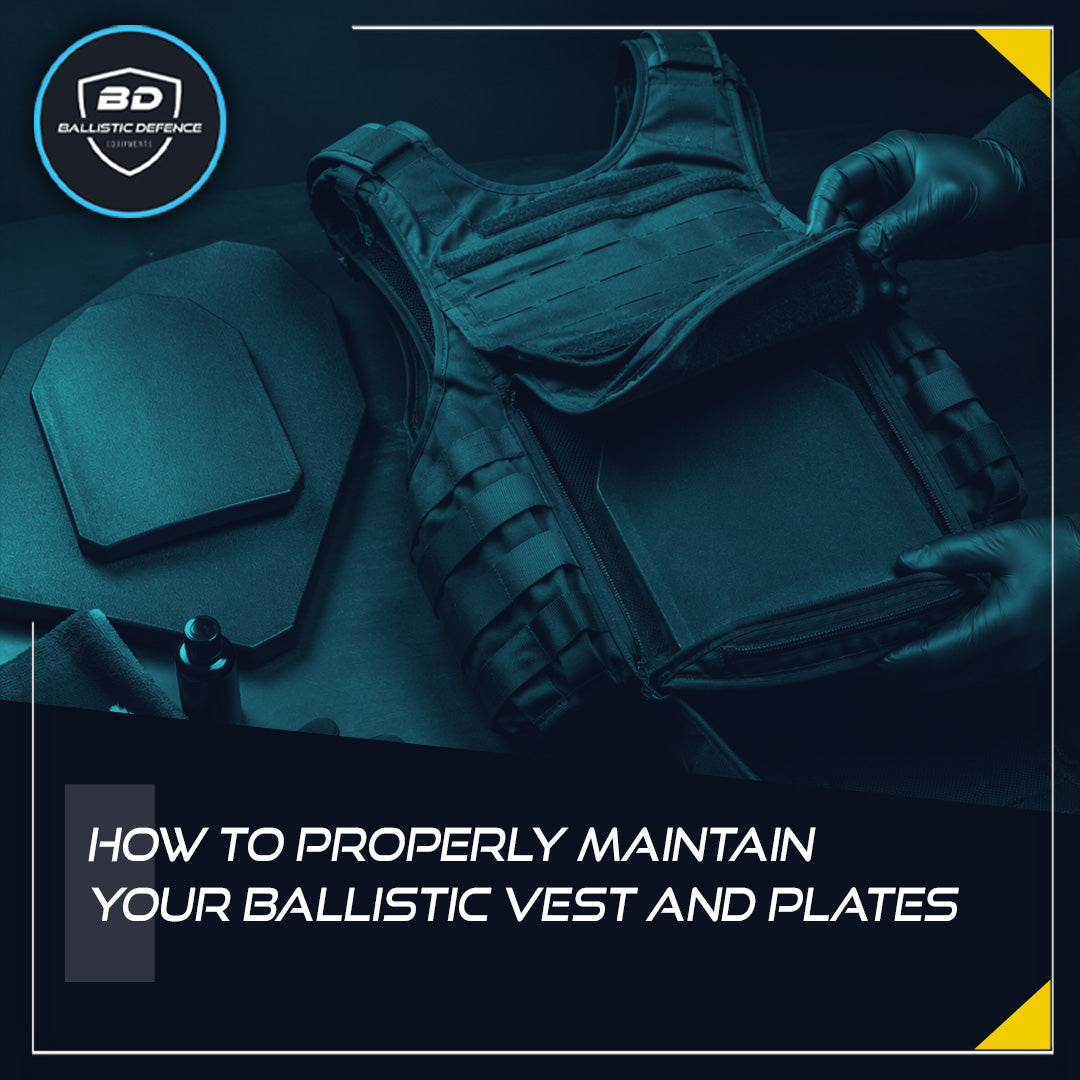
Properly maintaining your ballistic vest and plates is essential for keeping your body armor reliable and ready when you need it. Armor that's neglected, stored improperly, or handled carelessly can degrade over time, potentially compromising the protection it's designed to provide. Good maintenance habits help your investment last and perform.
This guide covers how to care for your ballistic vest and plates, what to avoid, and how proper maintenance keeps your protection dependable in 2026.
Why Body Armor Maintenance Matters
Body armor is built to protect you, but it requires proper care to maintain its integrity over time. Soft armor and hard plates can both be affected by improper storage, exposure to moisture, excessive heat, or physical damage. Regular maintenance helps ensure your armor remains in reliable condition.
Treating your armor as the critical safety equipment it is, rather than gear you can ignore, is the foundation of good maintenance. A well-cared-for vest or plate is far more likely to perform as intended.
Caring for Soft Body Armor
Soft armor requires gentle care. Avoid machine washing or submerging the ballistic panels, as this can damage the materials. Instead, follow the manufacturer's cleaning guidance, typically wiping the panels gently and washing only the removable carrier separately. Keep the panels dry and avoid harsh chemicals.
For a concealable soft armor vest like the PREIS Concealable Soft Body Armor Vest, proper care of both the panels and the carrier keeps it comfortable and reliable for everyday wear.
Caring for Hard Armor Plates
Hard plates are more rugged but still need care. Inspect them regularly for cracks, dents, or damage, especially after impacts or drops. Keep them clean and dry, and store them flat or as the manufacturer recommends to avoid stress on the materials.
Whether you use a plate like the ZIRH Level III Hard Body Armor Plate – 2.64 lbs or a higher-protection option, regular inspection helps you catch any damage that could affect performance.
Proper Storage Practices
How you store your armor matters as much as how you use it. Store body armor in a cool, dry place away from direct sunlight, excessive heat, and moisture. Avoid folding soft armor panels or placing heavy objects on them, and store hard plates flat to prevent warping or stress.
Proper storage prevents the gradual degradation that can occur when armor is left in poor conditions, helping it stay ready and reliable over its service life.
Inspecting Your Armor Regularly
Regular inspection is a key part of maintenance. Check soft armor for damage to the panels and carrier, and inspect hard plates for cracks, dents, or other damage. Look for signs of wear that could affect protection, and address any issues promptly.
Routine inspections help you identify problems before they become serious, ensuring your armor remains dependable. Make inspection a regular habit rather than waiting until you need to rely on the armor.
Caring for Your Plate Carrier
Your plate carrier also needs maintenance. Check straps, buckles, and attachment points for wear, and clean the carrier according to the manufacturer's guidance. A well-maintained carrier ensures your plates stay securely positioned and the system remains comfortable.
For a carrier like the ARARAT 2.1 Rapid Plate Carrier Vest, keeping the hardware and webbing in good condition helps maintain the security and reliability of your complete setup.
What to Avoid
Certain habits can damage your armor. Avoid machine washing soft armor panels, exposing armor to excessive heat or moisture, folding or creasing soft panels, dropping hard plates, and using harsh chemicals. These can compromise the materials and reduce protection.
Following the manufacturer's care guidance and avoiding these common mistakes goes a long way toward keeping your armor in reliable condition for its full service life.
Keeping Your Protection Ready in 2026
Proper maintenance of your ballistic vest and plates is about protecting your investment and, more importantly, ensuring your armor performs when you need it. Regular cleaning, inspection, and proper storage all contribute to keeping your protection dependable.
By building good maintenance habits and treating your armor as the critical safety equipment it is, you help ensure it remains reliable and ready, giving you confidence in your protection throughout its service life.
Frequently Asked Questions About Body Armor Maintenance
Can I machine wash soft body armor?
No. Avoid machine washing or submerging the ballistic panels. Follow the manufacturer's guidance, typically wiping panels gently and washing only the removable carrier separately.
How should I store body armor?
Store armor in a cool, dry place away from sunlight, heat, and moisture. Avoid folding soft panels, and store hard plates flat to prevent warping or stress on the materials.
How often should I inspect my armor?
Make inspection a regular habit. Check soft armor and hard plates for damage routinely, and always inspect plates after impacts or drops to catch issues that could affect protection.
What can damage my body armor?
Machine washing soft panels, excessive heat or moisture, folding or creasing panels, dropping hard plates, and harsh chemicals can all damage armor and reduce its protection.
Does the plate carrier need maintenance too?
Yes. Check straps, buckles, and attachment points for wear and clean the carrier per the manufacturer's guidance to keep your plates secure and the system comfortable and reliable.